


Table of Contents
Video Marketing Tips
Last Update September 7, 2026
If videos are the future, then the future is here. Yes!!
Videos are more popular than ever, and according to a report, 85% of the internet users spend their time watching online video content. Also, 87% of marketing professionals make use of video, considering it a powerful marketing tool.
Despite the demand and popularity of videos, people think that all they have to do is create videos, throw them online, and then pray to the marketing gods that it gets attention. However, it is crazy.
Creating a video involves tremendous efforts, and there might be times when you put in all your time and money in creating a video, but it just does not rank.
So, what’s going on here?
In the first place, video SEO involves more work and does not work like regular SEO. It has to be relevant, timely, and above all, optimized, if you wish to get a return on your investment.
Now, just as you practice optimizing landing pages and building campaigns for a piece of content, you have to try doing the same for videos.
But, before going forward with the optimizing part, let’s first have a look at what video SEO is and how it has changed over the years.
What is Video SEO?
The process of improving the visibility or ranking of a video in search engines, allowing it to show up on the first page for relevant keyword searches, is known as video SEO.
To make sure that your video ranks higher, you may use many strategies, and this article will throw a light on some of them.
How Has Video SEO Transformed Over the Years?
Video marketing has become more popular over the last few years, and we can’t scroll down the internet without seeing a video. The demand and popularity of videos have made it quite difficult for it to stand and rank in the universal search results.
When it is about the video tab, websites may rank, but it does not happen the same way while ranking in a universal search. Well, if you want to gain rank in the universal search with your video, then you must know that it has a lot to do with the website.
Its authority, focus, video-related rankings, etc. matters a lot.
Now that we know what video SEO is and how it has changed over the years let’s move onto the ways to optimize your video.
Here Are the 7 Ways to Optimize Your Video
#1. Keep Your Video In the Focus
Many websites keep the video below the fold, and the users have to scroll down through the page to find one. This results in low play rates because people usually do not like to go a long way to hunt for the video.
Search crawlers also do not put in much effort to look for a hidden video. So, it would be best if you keep your video on the focus of the page to increase its crawlability.
#2. Keep Your Page in Relevancy to the Video and SEO Optimized
Do not solely rely upon the video to get a place in the SERPs. It is essential to keep your page optimized for SEO; otherwise, the search engines will not crawl it in the first place.
If your video is not ranking, it might be because the page isn’t optimized.
Well, getting your website ranked organically is quite a challenging task, but if you use high-quality content with effective technical SEO components, the rankings will come.
Another essential tip you have to keep in mind is that the video and page are in relevancy to each other. Make sure that the video you embed on a page is related and not just thrown on the page.
#3. Choose the Right Platform for Hosting Your Video
Before you choose any platform for your video, take some time out to decide why you need your videos to rank. Understand your goal, whether it is to create brand awareness or to increase traffic and generate leads.
In case you want to create brand awareness, YouTube and Vimeo may be your go-to options. But, if you wish to generate traffic and leads through explainer video, then you must look for a platform that is capable enough to serve your needs well.
So, understand your needs, do proper research, and then choose your video hosting platform.
#4. Be Attentive While Writing the Key Information for Your Video
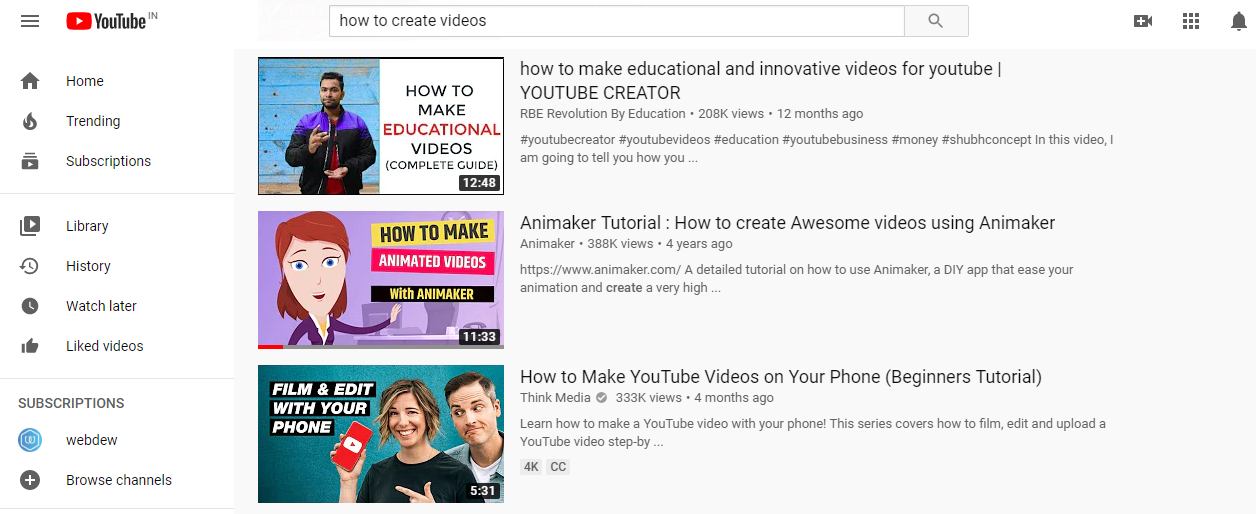
You must already know about how the key information, also known as a title and meta description, plays a considerable role in the ranking of a blog. Well, so does it does in the case of a video.
Spend some time in coming up with an engaging title and description for your video. Invest time in doing comprehensive keyword research to ensure that the people are researching the keywords which you use.
#5. Avoid Embedding Same Video on Different Platforms
Have you ever played against yourself? Well, none of us has.
But, that’s what you will be doing if you try and embed your video on different platforms. Do not try this.
I again say, do not.
All you have to do is ensure that your page and video are in relevancy to each other.
#6. Keep the Video First On the Page
Google usually practice indexing one video on a page. If you include many videos on a single page, make sure that you keep the video you want to see ranking first on top.
Since the search engine crawlers stop crawling after the first video, make sure you keep the video you want to rank in focus. This will help your video receive the traction it deserves.
#7. Do Not Rely On SEO Solely
Last but not least, it is essential to know that SEO is not reliable. Although it is an excellent strategy to rank your video, relying on SEO solely will not take you much far.
So, it might work well if you go for paid video advertising. To promote your video through paid advertisements, you may consider platforms like Facebook, Instagram, Twitter, etc.
You may also try other non-paid strategies to promote your video, like, asking your business partners to support and promote your video.
If you still face any difficulty, prefer going through a step by step guide on how to optimize videos.
Optimize for Engagement Signals
Beyond the page itself, how viewers interact with your video tells search engines whether it deserves to rank. Three engagement signals matter most:
- Watch time: the total minutes people spend watching. Videos with longer watch time and high audience retention consistently outrank those that lose viewers early.
- Audience retention: focus on the first 15 seconds, where most drop-offs happen. Hook viewers immediately, and use pattern interrupts to reset their attention throughout.
- User engagement: comments, likes, shares, and subscribes all signal value. Add a clear call to action asking viewers to engage, and reply to comments to spark more.
A clear transcript below the video helps too, since search engines can’t watch video, the text gives them the content they need to understand and rank it.
The Takeaway
Videos are popular and can take your business to booming heights. But, it is not just videos that work wonders.
You need to know proper strategies to make any video work.
I hope that the ways mentioned above to optimize a video will help you in your best interests.
Also, we like to hear from you. So, if you know any other video SEO strategies, feel free to share the same in the comment box below.
Frequently Asked Questions
What is video SEO?
Video SEO is optimizing video content so it can be found, both on platforms like YouTube and in ordinary web search. It covers titles and descriptions, transcripts and captions so the spoken content becomes indexable text, thumbnails that earn clicks, and video schema on pages where the video is embedded.
Search engines cannot watch, so text is what makes a video discoverable.
Do videos help SEO?
Videos help when they are indexed and when they keep people on the page. Embedding a relevant video can increase time on page and satisfy searchers who prefer watching.
What does not help is embedding video for its own sake on a page that needed text. Videos hosted only on YouTube also send the engagement signals there rather than to your site.
How do you rank a video on YouTube?
YouTube weighs watch time and retention more heavily than keywords, so the first thirty seconds matter disproportionately. Beyond that: a title matching what people search, a description with real detail, accurate captions, and a thumbnail that earns the click.
Publishing consistently within a topic helps the platform understand what your channel is about.
Have a question about this? Ask me in Be The Answer, my free SEO community.

